

Karnataka’s Dubare Elephant Camp tragedy: 5 rules to follow in the presence of wildlife



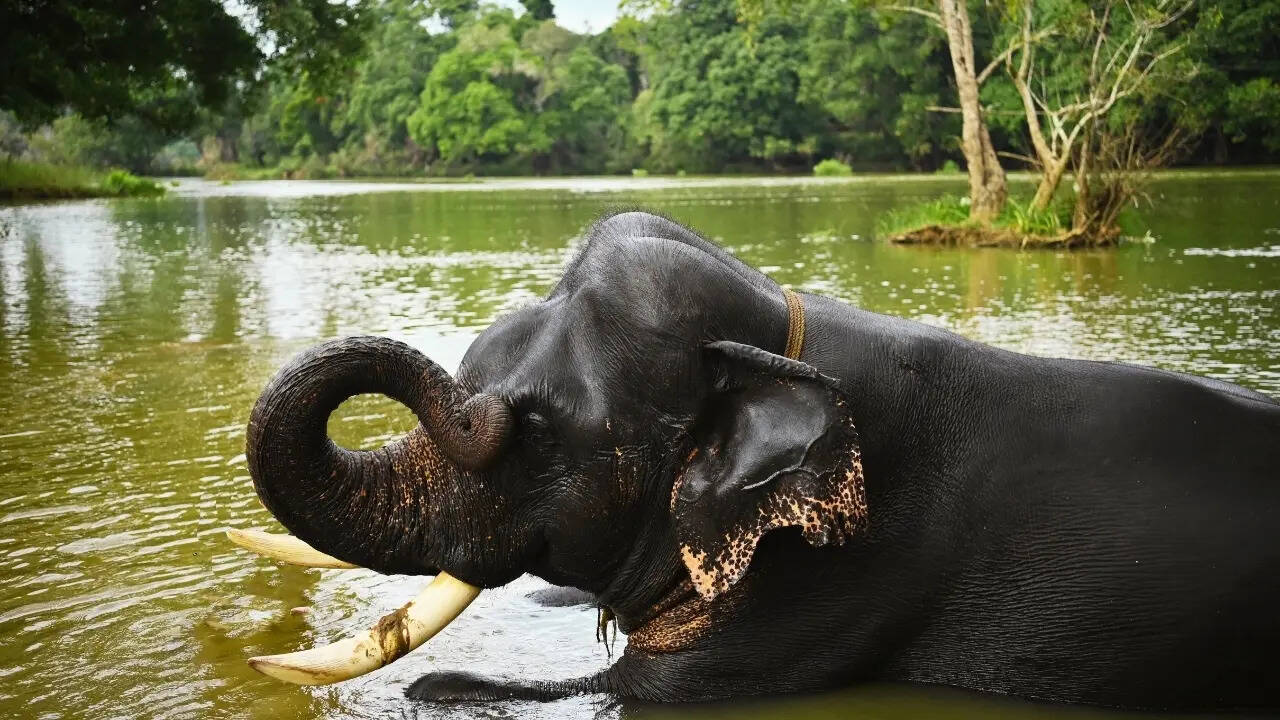
Elephant bathing session at Dubare A tragic event at the Dubare Elephant Camp in Karnataka has yet again brought to light the dangers posed by close encounter wildlife tourism. A 33-year-old tourist from Chennai met her demise after she got trapped between two elephants during a bathing session at the famous Dubare Elephant Camp in the Kodagu district. The tragic event happened when the tourist got caught up in the commotion caused by two elephants fighting each other at the banks of Cauvery River. The tourists were there to witness one of the most famous sights at the camp – the daily bathing of the elephants done by mahouts.As reported, things went wrong when two elephants started to fight each other suddenly. In spite of the efforts made by the handlers to calm down the situation,the tourist was caught in the chaos and sustained fatal injuries.Furthermore, the incident has sparked conversations about the management of wildlife tourism activities in India, especially those involving interactions in which tourists get to be close to large animals in a controlled environment. Wildlife experts have always warned that trained or domesticated elephants could act unpredictably when stressed, during dominance fights, or when startled by movement. Elephants at Dubare5 important rules that travellers should always adhere to around wildlifeNever approach animals for pictures or for close encountersOne of the most common mistakes that many tourists commit is taking wildlife animals for granted because of their domestication and training. In any wildlife activity such as safaris, camps, marine, or forest areas, no animals should ever be approached just to take pictures or selfies. Domesticated or trained animals could act unpredictably if they sense any form of threat, stress, or challenge from other animals.Respect barriers, instructions, and designated viewing areasThere is a purpose behind creating viewing restrictions in wildlife camps, national parks, and safari areas. Such viewing instructions are typically created by forest officials, guides, and wildlife experts who know the behavior patterns of the animals. Disregarding viewing instructions, venturing into viewing areas, and trying to approach animals for better pictures can quickly put one in danger.Keep your voice down and avoid sudden movements and flash photographsAnimals have very sensitive ears, eyes, and minds, and are easily irritated by any unusual sound, movement, or visual stimuli. Making noise, shouting, running, or taking flash photographs can irritate the wildlife, particularly when there is a large number of tourists around. When there are several animals kept in the same area, such stimuli can make their behavior even more unpredictable. Never feed animals unless it is officially supervisedFeeding wild animals without proper permission might seem like an innocent act, but it can influence the behaviour of animals and promote dangerous contact between animals and tourists. Animals can sometimes get violent or start associating crowds with food. At designated wildlife sites, feeding is only permitted under supervision of professionals aware of the dangers associated with this activity. Tourists are advised not to carry any food in wildlife areas without being told otherwise.Wildlife tourism is not a controlled entertainmentAnother major misunderstanding regarding wildlife tourism is that the animals in camps, reserves or safaris are fully predictable due to their exposure to humans. This is far from the case – animals such as elephants, big cats, marine life, and other wildlife will always operate according to instincts. The right attitude to take when engaging with wildlife experiences is cautious and realistic.
Source link