

Hantavirus: Symptoms, spread, prevention — All you need to know – The Times of India



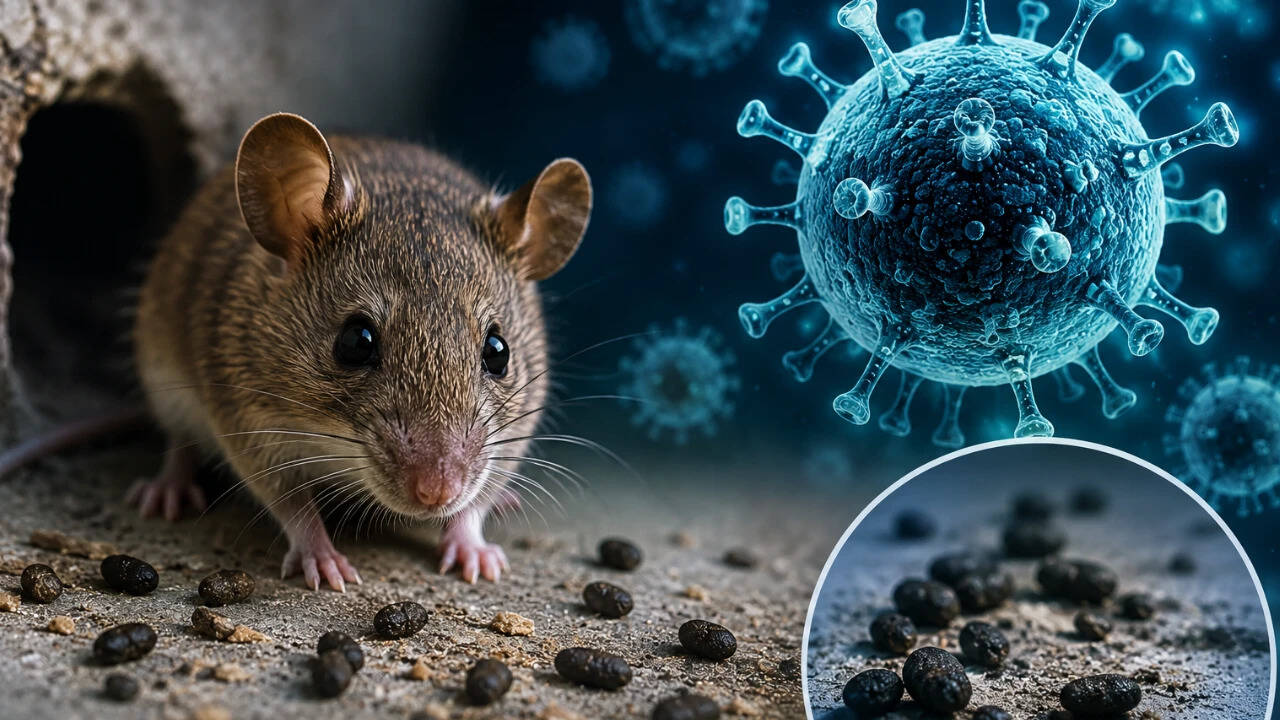
NEW DELHI: The World Health Organisation (WHO) has issued an advisory concerning hantavirus while highlighting the risks posed by what it defines as infection borne by a group of rodents.According to the notice, the viruses are found across parts of the Americas, Europe and Asia that can occasionally infect humans and, in rare cases, lead to severe illness. WHO says early recognition of symptoms and prompt medical care can significantly improve survival chances, although there is currently no licensed antiviral treatment or vaccine for hantavirus infection.What is hantavirus?Hantaviruses are a family of viruses that naturally circulate among certain rodent species. Humans generally become infected after inhaling virus particles from contaminated rodent urine, droppings or saliva, particularly in poorly ventilated spaces where rodent infestations are present..According to the WHO, different strains of hantavirus are associated with different diseases depending on the location and the virus type involved.While most infections occur through rodent exposure, health authorities have also documented limited instances of human-to-human transmission during some outbreaks.Early symptomsOne of the major challenges with hantavirus infection is that its early symptoms often appear similar to those of routine viral illnesses, making detection difficult in the initial stages.The WHO says symptoms usually develop between one and eight weeks after exposure to the virus..Common early signs include:FeverMuscle achesNauseaHeadacheStomach painVomitingBecause the symptoms are non-specific in the beginning, people exposed to rodent-infested environments may not immediately realise they are infected.Can hantavirus become severe?Although hantavirus infections are considered uncommon, experts warn that some cases can rapidly progress into severe disease.The WHO noted that hantavirus can lead to serious illness in certain patients, making early medical intervention critical. Severe cases may require hospitalisation and intensive supportive treatment to manage complications.Is there a treatment or vaccine?At present, there is no licensed specific antiviral treatment or vaccine available for hantavirus infection.Doctors mainly focus on supportive care, including monitoring breathing, oxygen levels and other vital functions, especially in patients who develop serious complications..Public health agencies, therefore, emphasise prevention and early diagnosis as the most effective ways to reduce the risk of the disease.How to prevent hantavirus infectionSince rodents are the primary carriers of the virus, prevention largely depends on reducing exposure to rodent-infested environments and maintaining hygiene in homes and workplaces..The WHO recommends the following preventive measures:Keep living and work spaces cleanSeal openings where rodents can enterStore food securelyUse safe cleaning methods if rodent droppings are presentDamp contaminated areas before cleaning, and avoid dry sweeping or vacuuming rodent droppingsExperts caution that sweeping or vacuuming dry rodent waste can release virus particles into the air, increasing the risk of inhalation and infection.Why awareness mattersHealth experts say awareness remains key because the disease can initially appear mild before worsening in some patients. Timely identification of symptoms, especially after rodent exposure, can help ensure quicker medical attention and better outcomes.With no vaccine or specific antiviral therapy currently available, prevention and early supportive care continue to be the strongest defence against hantavirus infection.
Source link